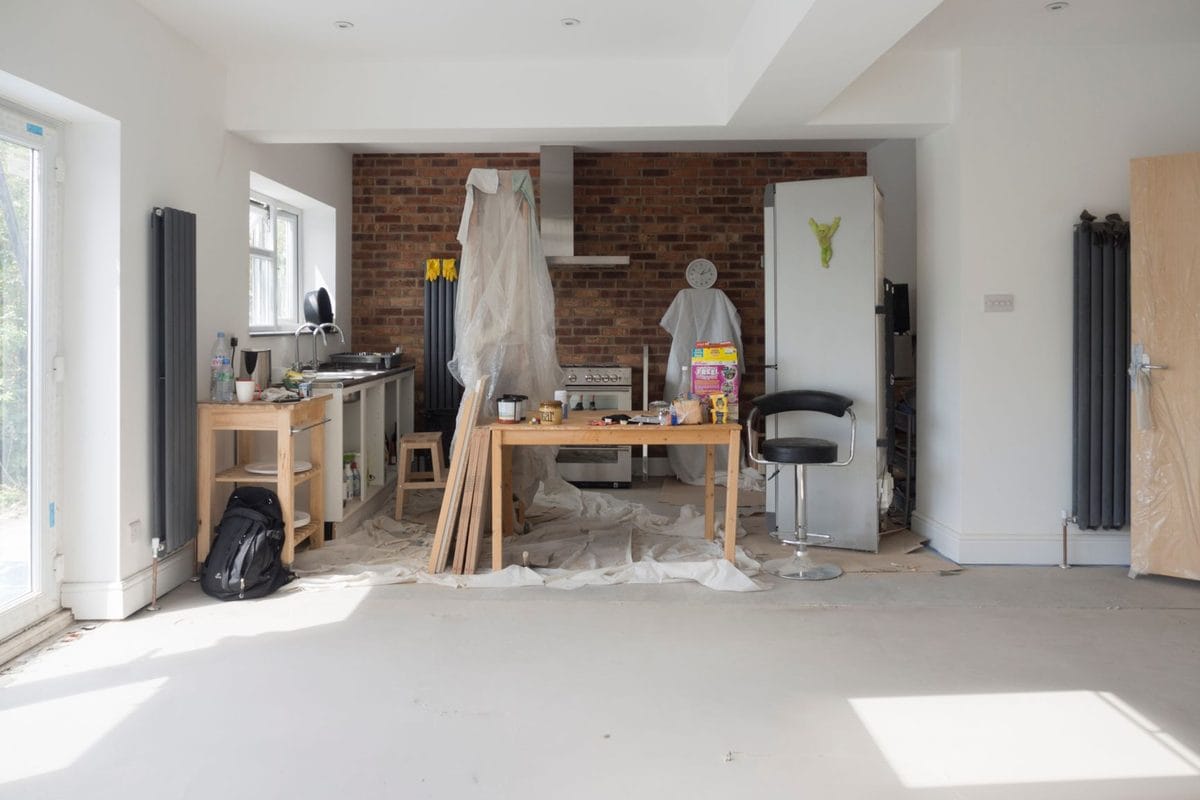
Ask any estate agent walking through a viewing this month which improvement sellers ask about first, and the answer is almost never the roof or the boiler. It's the kitchen. Buyers form an opinion about a house within the first ninety seconds of stepping through the door, and by the time they've reached the kitchen island, most of them have already decided whether they're mentally moving in or mentally listing what they'd rip out. That instinct is exactly why renovation return on investment is such a slippery subject: the improvements that feel most urgent to a homeowner living in the space are rarely the ones that move a valuation, and the ones that do move a valuation are often invisible until something goes wrong.
The projects that reliably add value
Loft conversions remain the closest thing to a sure bet in most parts of the country, provided the roof pitch and head height actually allow for one without a full re-truss. Turning an unused loft into a proper double bedroom with an en-suite adds a bedroom count to the listing, and bedroom count is one of the few variables that shifts a property between price brackets on portals like Rightmove and Zoopla. A single-storey rear extension that opens up a poky kitchen into a kitchen-diner tends to perform almost as well, particularly in Victorian and Edwardian terraces where the original kitchen was built for a household with staff, not a family that wants to watch the kids do homework while dinner's on. Side-return extensions in London terraces follow the same logic — reclaiming a narrow strip of side passage rarely adds usable garden, but it can turn a cramped galley kitchen into the kind of open-plan space buyers now expect as standard rather than a luxury.
Bathrooms sit just below extensions in terms of impact, but only when the work goes beyond a cosmetic refresh. Replacing a bath with a bath the buyer will actually use, adding a second WC where there was previously just the one, or converting an awkward box room into an en-suite off the main bedroom all tend to earn their cost back at sale. Where owners go wrong is treating a bathroom refit as decoration — a new suite in a trend colour, ornate tiling, a freestanding tub that eats half the floor space. Buyers viewing the property in three or five years' time will see a bathroom that looks dated the moment the trend passes, not one that looks like it was built to last. Keep the palette neutral, keep the layout sensible, and spend the money on the parts that are expensive to redo later — waterproofing, tiling behind the shower, decent extraction to stop the damp that turns into a mould problem within eighteen months.
Where the money quietly disappears
Conservatories are the classic cautionary tale, and it's worth saying plainly: don't build one expecting it to add resale value in 2026. A conservatory that's too hot in July and too cold in November gets used four months of the year and then sits there as dead space that a buyer has to account for in their head — do they rip it out, do they insulate it properly, do they just live with it. Garden rooms with proper insulation and double glazing have mostly replaced conservatories as the sensible version of the same idea, and they carry the added benefit of counting as flexible space (home office, gym, guest room) rather than a single-purpose glass box. If you already have a conservatory that's seen better days, the honest move is often to convert it into a proper insulated extension rather than patch it — but get a structural survey first, because plenty of conservatory bases weren't built to the same foundation depth as the rest of the house.
Swimming pools, elaborate landscaping, and anything genuinely unusual for the street also tend to lose money on paper, even when they're done beautifully. A pool in Surrey might make sense; the same pool in a three-bed semi in a market town will narrow your buyer pool to almost nobody, because most people don't want the running costs and most mortgage valuers will discount it rather than add a premium for it. The general rule surveyors apply informally is that a property shouldn't look wildly different from its neighbours in terms of scale and specification — buck that too hard in either direction and you're paying for your own taste rather than the market's.
Energy efficiency: the category that changed shape this year
This is where 2026 looks genuinely different from five years ago. Loft and cavity wall insulation have always paid for themselves through lower bills, but they're now doing double duty as an EPC lever, and EPC rating has become something buyers — especially landlords and anyone buying with a mortgage that factors in running costs — actively ask about rather than glance past. Heat pumps are a harder sell on pure resale value; the upfront cost is still significant even after grant support, and plenty of buyers remain sceptical about running costs in an older, poorly insulated house. Where a heat pump does add value is in new-build-standard or recently extended properties with underfloor heating already in place — there, it's a genuine selling point rather than a leap of faith.
Solar panels have quietly become one of the better bets in this category, particularly on south-facing roofs with no overshadowing. They're visible, they're increasingly expected on higher-spec listings, and unlike a heat pump they don't require the buyer to trust an unfamiliar heating system. Double glazing, if a property still has the original single-glazed windows, is close to essential rather than optional at this point — not because it adds a dramatic premium, but because its absence actively puts buyers off and gives them a bargaining chip during negotiations. None of this is glamorous. None of it will feature on a property listing's hero photo. But a buyer's solicitor will ask about the EPC certificate, their mortgage lender may factor it into affordability, and an agent pricing the property will use it as one more reason to justify — or undercut — the asking price.
The cosmetic work that's cheap and still worth doing
Not every improvement needs scaffolding and a structural engineer. A fresh coat of neutral paint throughout, a properly serviced boiler with paperwork to show for it, decent carpets or refinished original floorboards, and a tidy, low-maintenance front garden all cost a fraction of an extension and still shift buyer perception meaningfully. Kerb appeal in particular gets underrated by owners who've stopped noticing their own front door — a scuffed door, a broken gate latch, or weeds through the drive tells a buyer the whole house has been neglected before they've even rung the bell. None of this shows up as a line item on a valuation report, but it absolutely shapes the first offer a buyer makes, and first offers set the tone for the whole negotiation.
The best-value pound you'll spend before a sale probably isn't on the kitchen at all — it's on the smell of damp in the hallway that a professional clean and a dehumidifier can fix in a weekend, and that a buyer will otherwise blame on the whole house.
What actually determines whether a project pays off
Location does more of the work than most homeowners want to admit. A loft conversion that adds real value in a family-heavy suburb where three-bed houses are competing against four-bed houses might do almost nothing in an area dominated by first-time buyers who are stretching to afford a two-bed as it is. Before committing to any structural project, it's worth spending an afternoon looking at what's actually sold on the street in the last two years — not what's listed, what's sold, and for how close to the asking price. Estate agents will usually give this away for free if you frame it as "we're thinking about extending, is it worth it round here" rather than asking for a formal valuation.
Timing against your own plans matters just as much as timing against the market. A renovation undertaken eighteen months before a planned sale behaves completely differently from the same renovation done as a five-year improvement for your own comfort. If you're improving to sell, prioritise projects with broad appeal and quick paybacks — the kitchen-diner, the loft bedroom, the insulation upgrade. If you're improving to stay, you've got more licence to spend on the things that make daily life better even if a future buyer wouldn't value them the same way, whether that's a bespoke home office, a statement bathroom, or landscaping built around how your own family actually uses the garden rather than how a stranger might.
The honest advice, and the one most homeowners don't want to hear, is that no renovation guarantees a pound-for-pound return in the current market. What the better projects do is remove friction from a sale — fewer buyers walking away over an EPC rating, fewer surveys flagging a damp conservatory, fewer negotiations opening with a discount for "needs a new kitchen." That reduction in friction is worth more than any specific percentage, because it's the difference between a house that sells in weeks at close to asking and one that lingers, gets re-listed at a lower price, and picks up a reputation on the local grapevine that no amount of staging can undo.