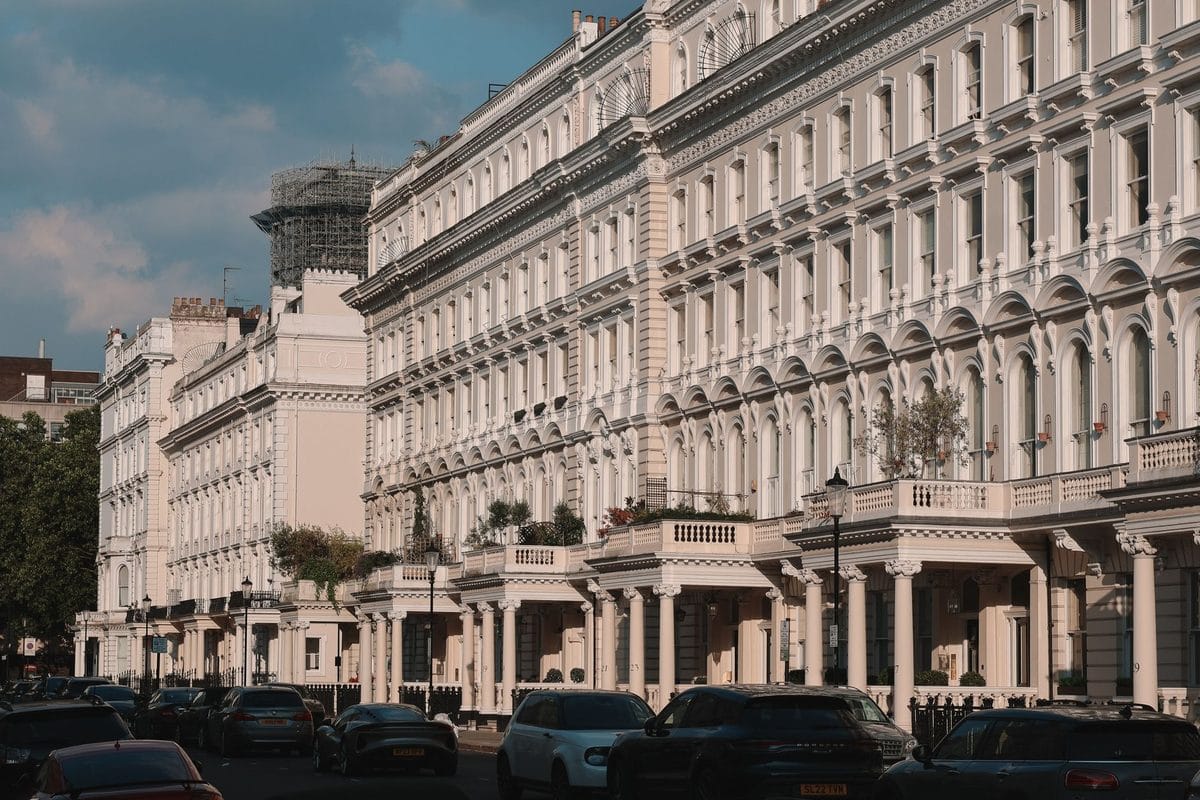
Picture a couple who've just found a three-bedroom Victorian terrace in Reading, offered at £550,000. They've never owned a home before, so they assume first-time buyer relief covers most of the tax. It doesn't. Because the price sits above £500,000, they get no relief at all — not a discount on the amount over the threshold, the whole thing. Their Stamp Duty bill comes to £17,500, and the first time most buyers hear that number is from their solicitor, days before exchange.
That cliff edge is one of the sharper consequences of the Stamp Duty Land Tax changes that took effect on 1 April 2025, when the temporary thresholds introduced in the September 2022 mini-budget expired and reverted to their earlier, lower levels. Property forums are full of buyers who budgeted against the old numbers and got caught out. What follows isn't a general explainer — it's the actual arithmetic, band by band, for the three groups who feel this differently: first-time buyers, people moving home, and landlords buying an additional property.
What Changed on 1 April 2025
Before that date, the standard nil-rate threshold for residential property sat at £250,000, and first-time buyers paid nothing up to £425,000, with relief available on purchases up to £625,000. Those figures were never permanent — they were introduced as a temporary measure and had a built-in expiry date, which HMRC confirmed well in advance. From 1 April 2025, the standard threshold dropped back to £125,000, and the first-time buyer nil-rate band fell to £300,000, with relief withdrawn entirely above £500,000 rather than tapering off.
The standard residential rates now run as follows: nothing on the first £125,000, then 2% on the portion between £125,001 and £250,000, 5% between £250,001 and £925,000, 10% between £925,001 and £1.5 million, and 12% above that. First-time buyers pay 0% up to £300,000 and 5% on the slice between £300,001 and £500,000 — but only if the total price doesn't exceed £500,000. Go a single pound over that figure and the calculation switches entirely to the standard rates, applied from £0, with no relief whatsoever.
First-Time Buyers: Relief, and the Cliff Edge at £500,000
One pound over £500,000, and the relief disappears completely.
Take a first-time buyer purchasing a flat in Leeds for £295,000. Because the price sits under £300,000, they pay nothing — £0 in Stamp Duty. Now move that same buyer to a £350,000 terrace in Bristol: the first £300,000 is still tax-free, but the remaining £50,000 is taxed at 5%, giving a bill of £2,500. Reasonable enough. The real damage shows up once the price crosses £500,000, which happens routinely in London, Reading, Guildford, and a good stretch of the South East. On that £550,000 Reading terrace, the buyer loses first-time buyer status entirely and pays standard rates on the full amount: £0 on the first £125,000, £2,500 on the next £125,000 at 2%, and £15,000 on the remaining £300,000 at 5%. Total: £17,500.
It's worth comparing that to what the same couple would have paid under the rules that applied before April 2025. With the old £625,000 relief cap, that £550,000 purchase would have qualified for first-time buyer treatment throughout: nothing up to £425,000, then 5% on the remaining £125,000, for a bill of £6,250. The reform alone added £11,250 to their moving costs, on a property that hadn't changed in price at all. If you're a first-time buyer within striking distance of that £500,000 line, negotiate the price down below it before you agree anything else with the seller — the tax saving on even a few thousand pounds off the asking price will outweigh almost any other concession you could ask for.
Home Movers: The Standard Bands in Practice
Buyers who already own a home and are simply moving — selling one main residence and buying another — don't get first-time buyer relief, but they aren't hit with the additional-property surcharge either. They pay the standard rates outlined above, and because those rates step up gradually, the numbers stay fairly proportionate to the price paid. A family buying a £400,000 semi in Milton Keynes pays £0 on the first £125,000, £2,500 on the next £125,000 at 2%, and £7,500 on the remaining £150,000 at 5%, for a total of £10,000. Scale that up to the kind of period conversion that changes hands for £950,000 in parts of outer London, and the bill climbs to £38,750, with £2,500 of that falling into the newer 10% band above £925,000. Move down the price scale instead and the bill shrinks just as predictably: the same rates applied to a £280,000 terrace in Nottingham come to £4,000 — nothing on the first £125,000, 2% on the next £125,000, and 5% on the final £30,000. The Nationwide House Price Index has tracked that north-south gap widening for years rather than closing, which is exactly why a single national rate structure lands so differently on buyers who, on paper, look almost identical.
Estate agents such as those listing through Rightmove and Zoopla rarely mention the tax bill upfront in a listing, which is precisely why buyers should run the numbers before making an offer rather than after. HMRC publishes a free Stamp Duty calculator, and it's worth five minutes before you view a property, not five minutes before you exchange contracts.
Landlords and Second Homes: The 5% Surcharge
Anyone buying an additional residential property — a buy-to-let, a holiday home, a house bought before the existing one sells — pays a surcharge on top of the standard rates. That surcharge rose from 3% to 5% for transactions completing on or after 31 October 2024, a change confirmed in the Autumn Budget and applied ahead of the April 2025 threshold reset. Crucially, the surcharge applies to every band, including the portion that would otherwise be tax-free, so there's no equivalent of the £125,000 nil-rate allowance for a second property.
Run the same £400,000 purchase from the home-movers example through the additional-property rates and the picture changes sharply: 5% on the first £125,000 (£6,250), 7% on the next £125,000 (£8,750), and 10% on the remaining £150,000 (£15,000), for a total of £30,000. That's three times what a home mover pays on an identical purchase price, and it's a cost landlords need to fold into their yield calculations from day one — buy-to-let lenders including Paragon and The Mortgage Works already factor the surcharge into their affordability checks, and any investor who doesn't do the same is working from the wrong numbers before they've even made an offer. Don't treat the surcharge as a closing cost to worry about later; treat it as part of the purchase price when you're deciding what to bid.
The Surcharge Trap for People Buying Before They Sell
The surcharge doesn't only catch landlords. Anyone who completes on a new home before their existing one has sold technically owns two residential properties at once, and HMRC applies the 5% additional-property rate regardless of intent — even if the old house is under offer with contracts days from exchanging. A family completing on a £480,000 house while still holding a £350,000 home they're trying to sell pays the full additional-property rate on the new purchase: £6,250 on the first £125,000, £8,750 on the next £125,000, and £23,000 on the remaining £230,000, for a total of £38,000. Strip out the surcharge portion and the same purchase would have cost £14,000 under standard rates — meaning the timing of the sale, not the price of either house, adds £24,000 to the bill.
There is a way back. If the previous main residence is sold within three years of completing on the new one, HMRC allows the surcharge to be reclaimed in full, provided the claim includes the original SDLT return reference and the completion statement from the sale. It isn't automatic, and it isn't quick — refunds typically take several weeks to process once submitted. Anyone who can see completion on their sale approaching should ask their conveyancer whether the purchase can be delayed by even two or three weeks; avoiding the surcharge outright is a better outcome than tying up £24,000 with HMRC for months while the paperwork goes through.
Where This Actually Bites — And Where It Doesn't
None of this lands evenly across the country, which gets lost in most of the commentary written from a London perspective. In large parts of the North East and Wales, HM Land Registry price-paid data shows plenty of terraced houses still changing hands for under £150,000 — property at that level barely touches the standard-rate bands, let alone the first-time buyer cliff edge at £500,000. A first-time buyer in Sunderland or Merthyr Tydfil is far more likely to pay nothing at all than a first-time buyer in Reading is to pay the full standard rate. The reform is, in practice, a South East and London problem dressed up as a national one.
That regional gap doesn't make the numbers above any less real for the people who do live near the threshold. Before you view a property that's anywhere close to £300,000, £500,000, or £925,000, ask your solicitor or conveyancer to run the exact Stamp Duty figure for that specific price — not a rounded estimate, the precise band-by-band total, because a few thousand pounds either side of a threshold can swing the bill by thousands more than the price difference itself would suggest.