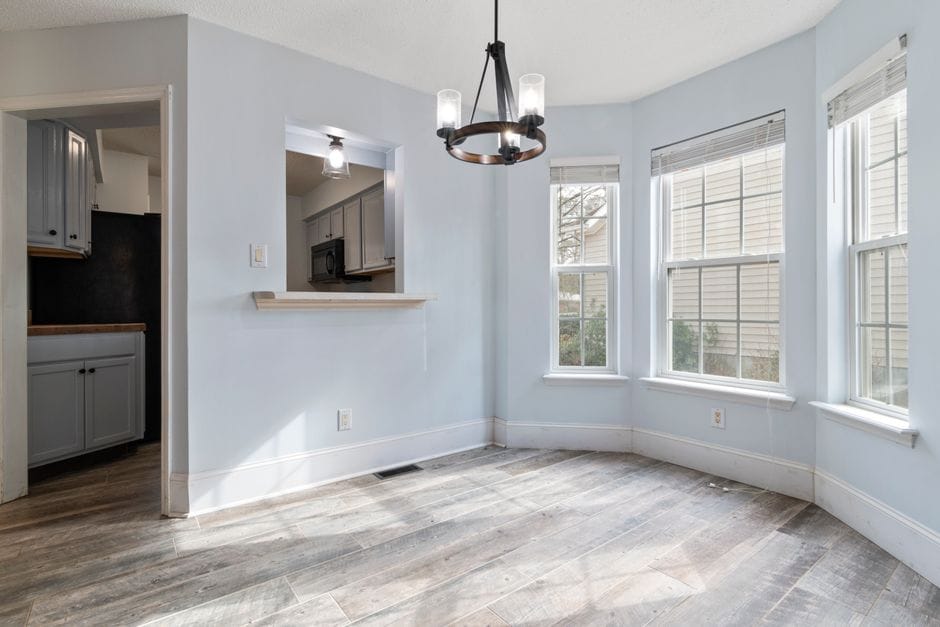
Inheriting a property brings a tangle of legal, financial and emotional threads at a difficult time. Selling it is rarely as simple as putting up a board, because the law requires certain steps before the home can change hands. Knowing the order of events makes a hard task more manageable.
Probate comes first
In most cases you cannot sell an inherited home until you have obtained probate, the legal authority to deal with the deceased's estate. The executor named in the will applies for it, and only once it is granted can the sale legally complete. You can market the property earlier, but you cannot exchange contracts without it.
Valuation and tax
The estate needs a valuation of the property at the date of death, both for probate and for any inheritance tax due. If you later sell for more than that figure, the gain may attract capital gains tax. Getting a sound valuation early protects you on both fronts and avoids arguments with the tax authorities later.
- Grant of probate the legal green light to sell
- Date-of-death valuation for tax and as a baseline
- Clearing and securing the home while it is empty
Empty homes and insurance
An inherited house often stands empty for months, and standard insurance may not cover an unoccupied property. Tell the insurer, arrange suitable cover, and keep an eye on the place to deter damp, leaks and intruders. An empty home left unchecked can lose value quickly.
Selling with a clear head
Where several beneficiaries share the inheritance, agree early on the asking price and the lowest offer you will accept, to avoid friction when bids come in. Selling a family home carries memories as well as money, so allow time for the decision, and lean on a patient solicitor and agent who understand the circumstances.