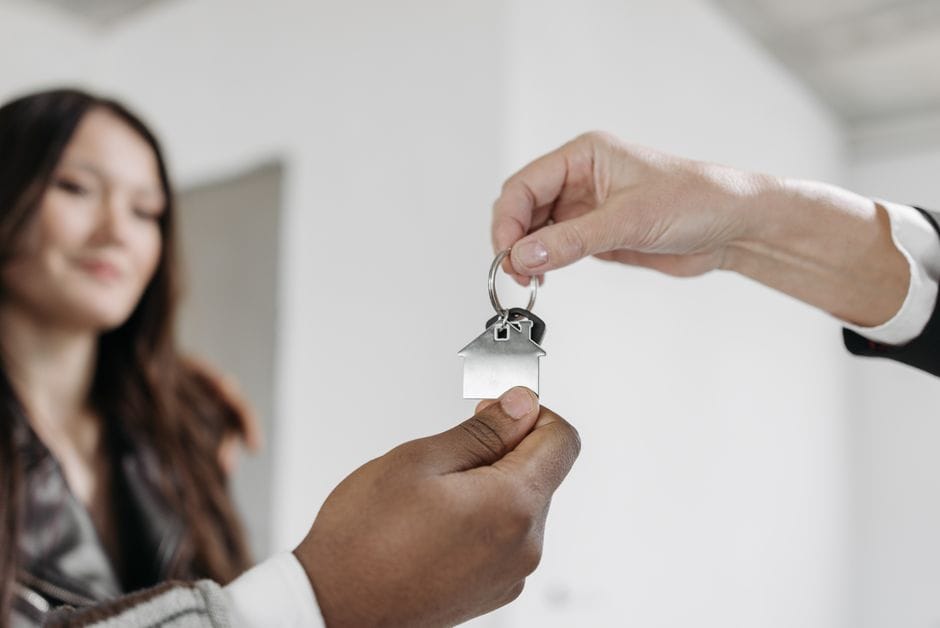
Being a landlord is often pictured as collecting rent and little else. In truth it is a business with real responsibilities, and the landlords who do well are usually the ones who do right by their tenants. A good landlord enjoys longer tenancies, fewer voids and far less stress, which is good for the bank balance too.
Safety comes first
The legal foundations of letting are about keeping people safe. That means an annual gas safety check, sound electrics with periodic inspection, working smoke and carbon monoxide alarms, and an energy certificate meeting the minimum standard. These are not optional niceties; they are duties, and neglecting them can bring heavy penalties as well as danger.
Repairs and responsiveness
A leaking roof or broken boiler is miserable for a tenant and damaging to the property if ignored. Good landlords fix problems promptly and keep the home in good repair, both because the law requires it and because a well-maintained property holds its value. A tenant whose calls are answered is a tenant who stays and looks after the place.
- Keep safety certificates current gas, electrical and alarms
- Respond to repairs quickly and properly
- Protect the deposit and follow the correct procedures
Treating tenants fairly
Beyond the legal minimum, the best landlords are simply fair. They communicate clearly, respect a tenant's right to live undisturbed, give proper notice, and raise rent reasonably. People who feel respected tend to pay on time, report problems early and treat the home as their own, which protects the landlord's investment.
The long game
Letting is a relationship, not a transaction. A landlord who invests in good tenants and a well-kept property reaps stability and steady income, while one who cuts corners faces disputes, damage and frequent turnover. Doing the job properly is not only decent; over time it is also the more profitable path.