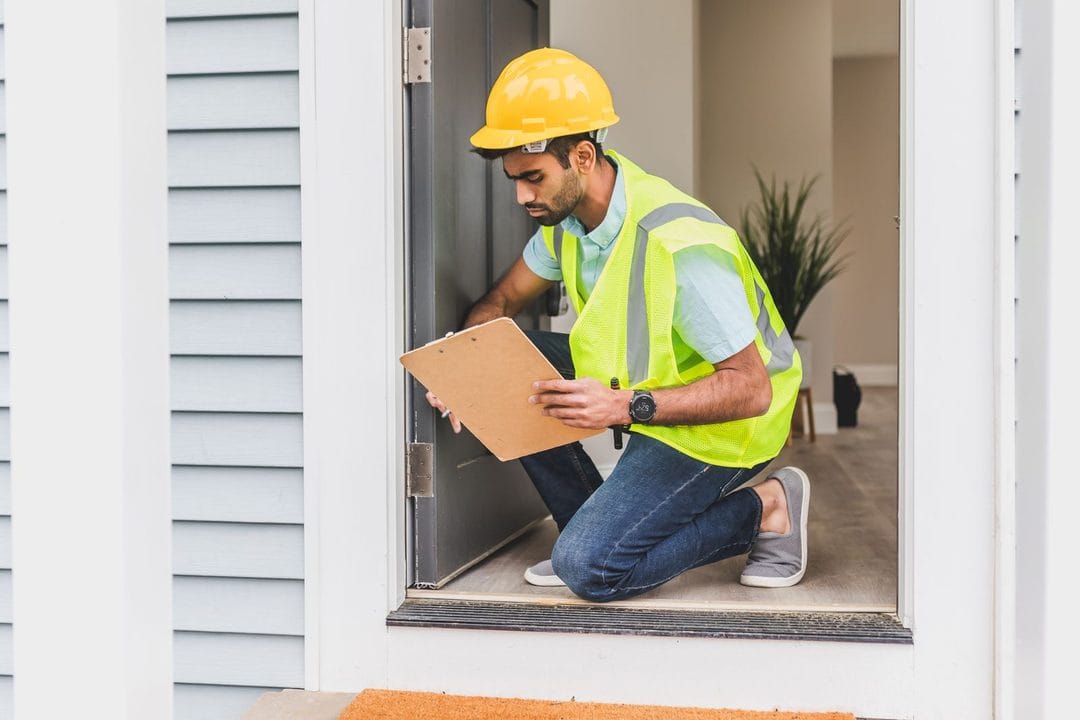
Thirty-one thousand pounds. That's roughly what one Bristol buyer paid to underpin a Victorian terrace after moving in without a survey, having discovered subsidence that a proper inspection would have flagged within the first ten minutes on site. The mortgage lender's valuation had already "confirmed" the house was worth what she'd offered. Nobody told her that a valuation and a survey are two entirely different documents, and by the time she worked that out, the cracks had spread from the bay window to the chimney breast.
Why the Mortgage Valuation Won't Save You
Lenders send a valuer round before releasing a mortgage, and it's tempting to assume this covers you. It doesn't. A mortgage valuation exists purely to protect the bank's security on the loan — the valuer spends perhaps fifteen minutes on site, doesn't go in the loft, doesn't lift carpets, and produces a document you often never even see in full. Nationwide, Halifax and most high-street lenders use exactly this kind of drive-by inspection, and the report is theirs, not yours, even though you're the one who paid the £150–£300 fee buried in your mortgage offer. If the surveyor spots something alarming they might down-value the property or add a retention, but their job stops there. They are not diagnosing your future problems; they are protecting someone else's asset.
A proper survey is a different commission entirely, instructed by you, for you, from an independent Chartered Surveyor who has no relationship with the lender or the seller. That independence is the whole point. Skip it and you're relying on the seller's estate agent description and your own walk-round with a torch, which is roughly how the Bristol buyer ended up with a £31,000 underpinning bill eighteen months after completion.
RICS Level 2 — the HomeBuyer Report
The Level 2 survey, formally the RICS Home Survey Level 2, is the mid-tier option and by far the most commonly instructed. It typically costs £400–£700 depending on the property's value and location, and it's built for conventional properties in reasonably sound condition — a 1930s semi with no extensions, a Victorian terrace that's already had its damp and roof sorted, a 1990s estate house. The surveyor inspects visible and accessible parts of the building, rates each element on a traffic-light system (green for fine, amber for defects needing attention, red for urgent or potentially serious problems), and flags anything that needs a specialist to look at further.
What the report actually covers
- Structural condition of walls, roof, chimneys and floors, so far as visible without lifting anything
- Damp readings taken with a moisture meter in accessible rooms
- Loft space, checking insulation, timber condition and signs of past leaks
- An opinion on the property's value and rebuild cost for insurance — some Level 2 packages include this, others don't, so check before you book
- Drainage, electrics and gas are noted only where visibly defective; this isn't a full service, and a separate damp and timber report or electrical condition report is a sensible add-on for anything pre-1980
RICS Level 3 — the Building Survey
This is the one to book when something about the property isn't standard.
A Level 3 survey — what most people still call a "full structural survey" — runs £600 to £1,500 or more on larger or older houses, and it's genuinely thorough. The surveyor spends longer on site, often three to four hours against ninety minutes for a Level 2, and produces a full narrative report rather than a tick-box traffic-light summary. Every defect gets explained in plain English, along with likely causes and, where relevant, rough repair costs. This is what you want for anything built before 1900, timber-framed or thatched properties, houses that have had significant extensions or loft conversions, listed buildings, or anywhere you've spotted cracking, uneven floors or a suspiciously fresh patch of render.
The catch with older housing stock is that "normal" and "defective" aren't always obvious to a non-specialist, and a Level 2 surveyor working to a shorter time slot may simply note "further investigation recommended" and move on — which leaves you no better off than before you paid for the report.
Which One Do You Actually Need?
Pay for the Level 3 if the property is pre-1930, has had a loft conversion or rear extension, sits near mature trees on clay soil, or is listed — don't gamble a HomeBuyer Report on catching structural movement it isn't designed to look for in the first place. Equally, don't overpay: a Level 2 is perfectly adequate for a ten-year-old new-build semi still under its NHBC warranty, and spending an extra £400–£600 on a full structural survey there is money better spent on removals, or on the solicitor's fees you'll need for the actual purchase.
Where people get caught out is the middle ground — a 1960s house that looks conventional from the kerb but has had an unpermitted extension or a chimney breast removed without building control sign-off. If you're unsure which category your target property falls into, ring two or three RICS surveyors and describe the house; most will tell you over the phone, free of charge, which level makes sense before you commit to anything.
What Happens When You Skip It
The false economy is easy to fall into when you're already stretched by a deposit, stamp duty and solicitor's fees, and £600 for a survey feels like the obvious place to cut. It rarely pays off. Subsidence repairs of the kind the Bristol buyer faced routinely run £15,000–£40,000 depending on the extent of underpinning required. Japanese knotweed removal, missed on a quick walk-round but flagged instantly by a trained eye, costs £2,500–£15,000 to treat properly and can make a property unmortgageable until it's dealt with. Even something as mundane as a wet rot problem in a ground-floor timber frame, left unaddressed for a few more winters, can turn a £3,000 repair into a £20,000 one. And these are just the costs you can price — a botched rewire discovered after you have already moved the furniture in means living with an electrician van outside for a fortnight, which nobody budgets for.
None of this means every survey turns up a horror story — most don't, and a clean Level 2 report is often the most reassuring document you'll read during the whole purchase. But the report also becomes leverage. If your surveyor flags £4,000 of roofing work the seller hadn't disclosed, that's a legitimate basis for renegotiating the price or asking the seller to fix it before completion, and estate agents will tell you this happens on a meaningful share of sales that proceed to survey.
Finding and Instructing a Surveyor
Use the RICS "Find a Surveyor" tool rather than accepting whoever your estate agent or mortgage broker suggests — agents sometimes have referral arrangements that don't necessarily point you to the surveyor best suited to an unusual property. Confirm the individual holds RICS chartered status (look for MRICS or FRICS after their name), ask whether they've surveyed similar properties in your area recently, and get the quote and scope of work in writing before you pay a deposit.
- Book the survey as soon as your offer is accepted, ideally within the first week, so there's time to renegotiate before exchange if problems turn up
- Ask for a phone call after the inspection rather than waiting several days for the written report — most surveyors will happily talk you through headline findings the same day
- Read the whole document, not just the traffic-light summary; the detail in the body often explains why something rated amber isn't actually urgent, or why something rated green still needs monitoring
One Sheffield surveyor put it bluntly to a client who'd queried the fee on a £310,000 stone-built cottage: the survey cost £850, the roof repair it found cost £6,200, and the seller paid every penny of it after renegotiation. That's the arithmetic worth remembering next time a £600 invoice looks like the easiest line to cut from moving costs.