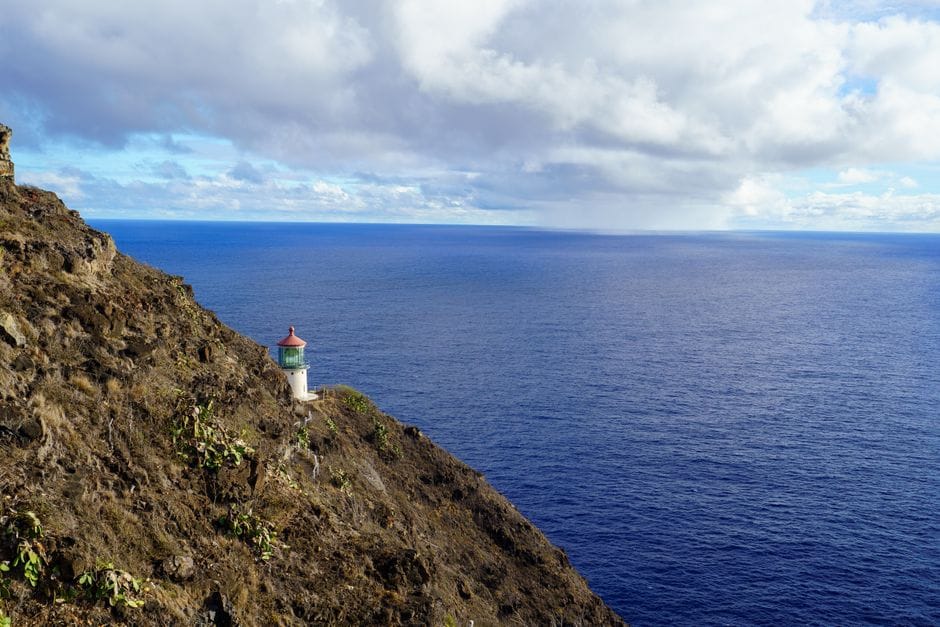
A home by the sea is a dream for many, with its light, its air and its views. But the coast is a restless place, and the same waves that draw buyers can, in some spots, threaten the land itself. Buying coastal property wisely means falling for the view with your eyes open to the risks.
The pull of the coast
Coastal homes command a premium for good reason. The setting is beautiful, the lifestyle relaxed, and demand from holidaymakers and downsizers keeps values buoyant in popular spots. For many buyers the appeal is purely emotional, and there is nothing wrong with that, provided the heart does not overrule the head entirely.
Erosion and flooding
Some stretches of coast are eroding, the land slowly, or sometimes suddenly, giving way to the sea. Other low-lying areas face coastal flooding in storms. Neither affects every seaside home, but both are real where they occur, and they can devastate value. Local shoreline management plans set out where erosion is expected and what, if anything, will be defended.
- Check erosion maps and local shoreline plans
- Confirm insurance is available and affordable
- Ask about defences and who maintains them
The insurance test
As with any high-risk location, the availability of sensible insurance is the acid test. If insurers shy away or quote eye-watering premiums, the market is telling you something. No affordable cover usually means no mortgage, and a property you cannot insure is one you should think very hard about buying.
Buying by the sea sensibly
Plenty of coastal homes sit on stable, well-defended ground and make wonderful, safe purchases. The key is to research the specific location rather than the coastline in general, lean on the searches and local plans, and confirm you can insure and mortgage the property. Do that, and the dream need not come with a hidden tide.