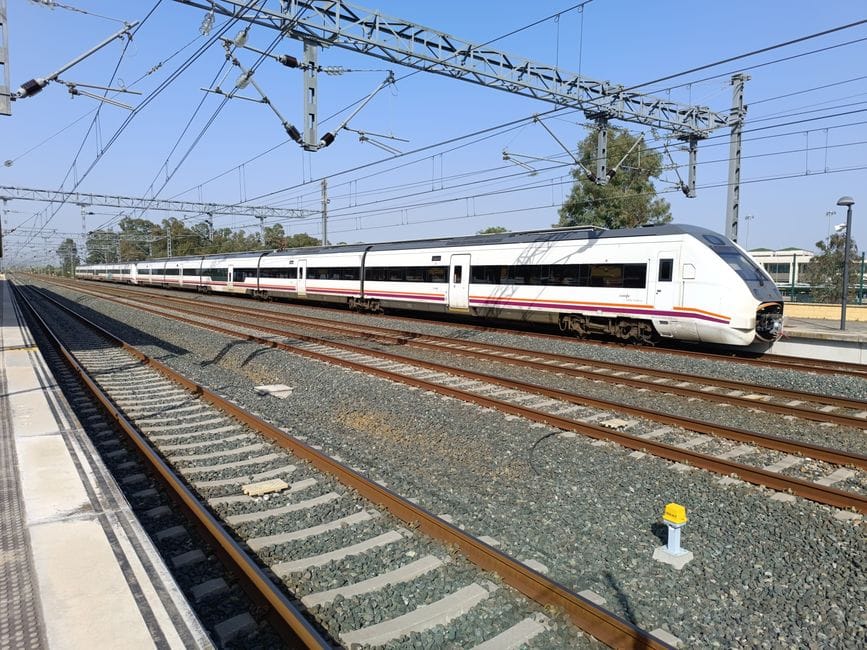
A new railway line, motorway or airport expansion can transform an area, and a home's fortunes with it. Proximity to big infrastructure cuts both ways: better transport links can lift value, while noise and disruption can dent it. For a buyer, the question is which effect will dominate, and that depends heavily on the detail.
The upside of good links
Strong transport connections make an area more desirable. A fast train into a major city, a convenient motorway junction or a nearby station can broaden the pool of buyers and support prices, particularly for commuters. Homes that gain a shiny new link sometimes see values rise as the area becomes easier to reach.
The downside of being too close
Get too near and the picture changes. Constant traffic noise, the rumble of trains, or aircraft overhead can make a home less pleasant and harder to sell. There is often a sweet spot: close enough to benefit from the link, far enough to escape the worst of the disturbance. Standing on the doorstep at a busy time tells you a lot.
- Benefit easier commuting and a wider buyer pool
- Drawback noise, traffic and disruption nearby
- Timing construction phases can blight an area for years
The construction years
A planned scheme can bring years of building works before any benefit arrives, blighting nearby homes with noise and uncertainty. The searches your solicitor carries out should reveal major projects in the pipeline, but it is worth your own research too. A home that will be lovely in a decade may be a building site for the next few years.
Judging it for yourself
Whether infrastructure helps or harms a particular home is a local question. Visit at different times, check the searches for planned works, and think about how you personally would feel about the noise and the convenience. For some buyers the trade-off is clearly worth it; for others it is a deal-breaker. Only you can weigh your own tolerance.